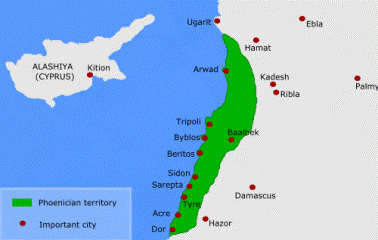
The Phoenicians perfected the art of navigation, built large and narrow galleys with a double row of slave rowers, from -1300 dominated the Mediterranean sea. They traded grains, cloths and gems from India and the Middle East, wheat from Cyprus, ivory from Africa, silver from Spain, tin from England and slaves from everywhere. Apart from merchants, they often turned into pirates, stopping and taking over ships, usually selling all passengers as slaves. The Phoenicians with their travels contributed to the spread of arts and sciences from Egypt, Crete and the Near East to Europe. To facilitate their travel and trade, they installed military outposts in the most strategic locations in the Mediterranean, which gradually became important cities such as Carthage, Tire, Sidon, and Beirut.
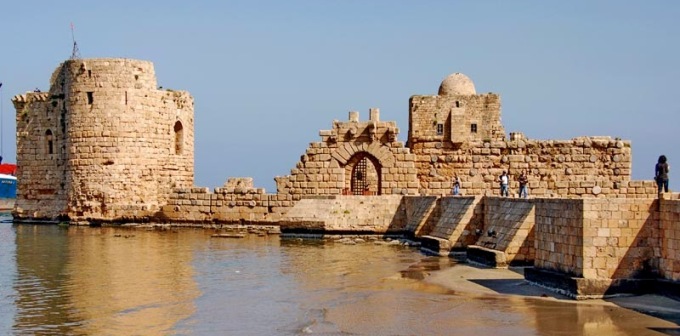
Their most ancient city was Byblos, which mainly traded papyrus that’s why the Greeks gave that name which means book in Greek. Other great cities were Sidon and Tire. The Phoenician cities were ruled by a merchant aristocracy and each city had its own patron god. The Phoenicians had invented the most bloodthirsty god of antiquity, Moloch; in order to please the God so that things and winds would go well they sacrificed thousands of children, by throwing them alive in the fire. Their prosperity lasted until 700 BC. The continuation of Phoenician culture in the western Mediterranean happened with the Carthage, who emerged as a powerful naval force and repeatedly clashed with the Romans until their submission to them in 146 BC. Back to the Story of Humankind