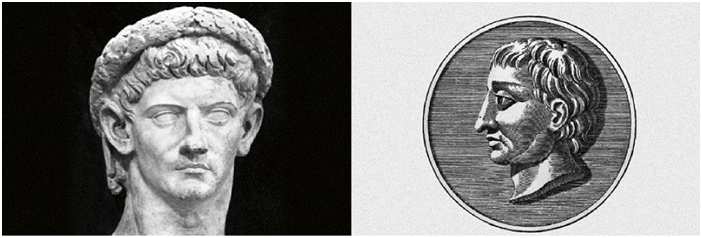
In December -124, Gaios Gracchus (brother of Tiberius) was elected mayor and managed to bring about great reforms for helping the weak and weakening the senators. However, when he proposed that all Latin residents should be recognized as Roman citizens, he lost the support of Romans who feared they would lose their privileges; he failed to be re-elected as mayor in -122. A year later he expressed the view that Carthage should be helped and restored, the senators spread widely that his opinion opposed the interests of Rome and the sermons of Gods; they managed to fury the crowd so that Gaius eventually had the same end as his brother. His head was thrown at Tiber and in the following days about 3,000 followers were slaughtered. With the death of the second Gracchus, the reforms in the Roman Republic ended with the Senate re-establishing all its power.
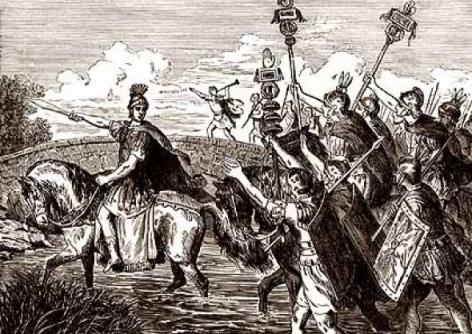
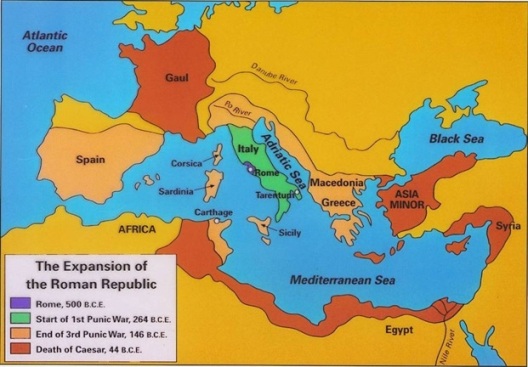
In -90th Allied War breaks out when Italy's federal forces decide to challenge the hegemony of Rome, the revolt is suppressed by the -88. Caesar in-58 begins his military operations in Galatia and by the -50 he conquers it all. After a period of civil war Caesar is proclaimed a life-long dictator of democracy. The senators publicly murdered him in -44. That was followed of many conflicts for power until Octavian Augustus defeated Marcus Antonius and Cleopatra in -31 and remained the sole ruler of Rome.
 Back to the Story of Humankind