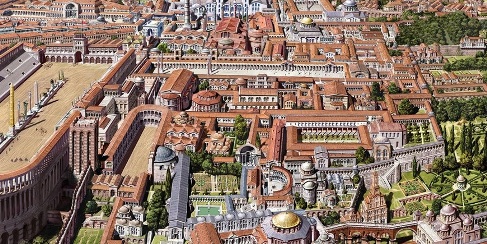
Greek artists made sculptures for the Romans and many educated Greeks were taken prisoners to Rome to become teachers of the Romans' children. It was fashionable for the rich to maintain a circle of spiritual people who taught them philosophy, rhetoric and music. The Romans adopted many elements from the everyday life of Greeks and other peoples who conquered; they copied houses, clothing, food, entertainment.
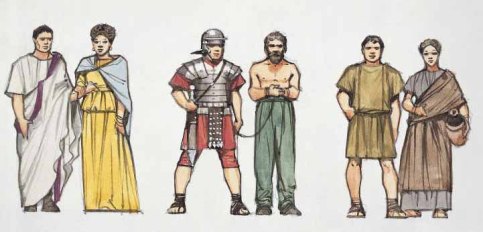
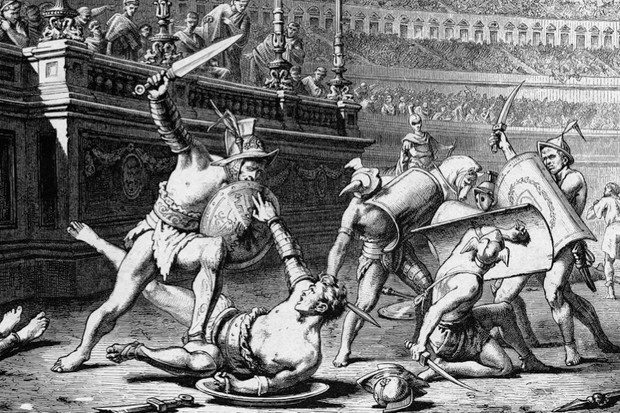
The population of Rome, along with slaves and foreigners, was approaching one and a half million. Most residents were living in apartment buildings and the wealthy in single-family homes. The inhabitants of the Roman countryside were farmers, shepherds, artisans and small merchants. Their children often left the countryside looking for work and better luck in the army, the cities, the arts, and the public works that took place throughout the Empire. The dream of all provinces was to travel to Rome and participate in the great festivals and watch shows and duels. As Seneca wrote in a letter, "The crowd after each duel asks the winner who just killed his opponent to immediately face another, restless, who will succeed in killing him. And the last winner is kept for another slaughter. Thus, man, sacred to man, is murdered by his fellow man for mere entertainment of viewers. "
Rome was based on the most successful military organization in the world. Army and citizens were one; the Romans from a young age were trained for war, they had to spent 10 years of their life in campaigns or camps, living a simple and disciplined life. Cowardice or apathy was punished of death by whipping. They did not get a salary but they took a share of the loot in each campaign, depending on their rank.
Rome was fortunate because its enemies - apart from some small unions as the Achaean’s - were never joined to fight together. And a great asset proved perseverance. Romans suffered many defeats and ruins, but they insisted until they dominated the entire Mediterranean. Back to the Story of Humankind