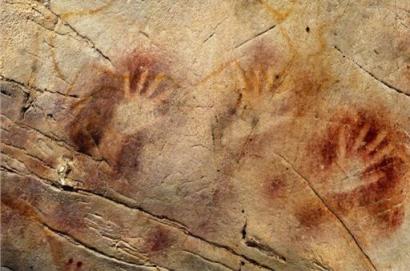
 Inside caves survived humanity’s first great attempt at artistic expression. Archaeologists have discovered cave paintings, engravings, and small figurines made of clay, stone, or bone that are tens of thousands of years old.
One of the oldest known works of art was discovered in a cave in Indonesia and dates back at least 35,000 years. It consists of human handprints pressed onto rock surfaces — as if their creators wished to leave behind proof that they once existed.
Inside caves survived humanity’s first great attempt at artistic expression. Archaeologists have discovered cave paintings, engravings, and small figurines made of clay, stone, or bone that are tens of thousands of years old.
One of the oldest known works of art was discovered in a cave in Indonesia and dates back at least 35,000 years. It consists of human handprints pressed onto rock surfaces — as if their creators wished to leave behind proof that they once existed.
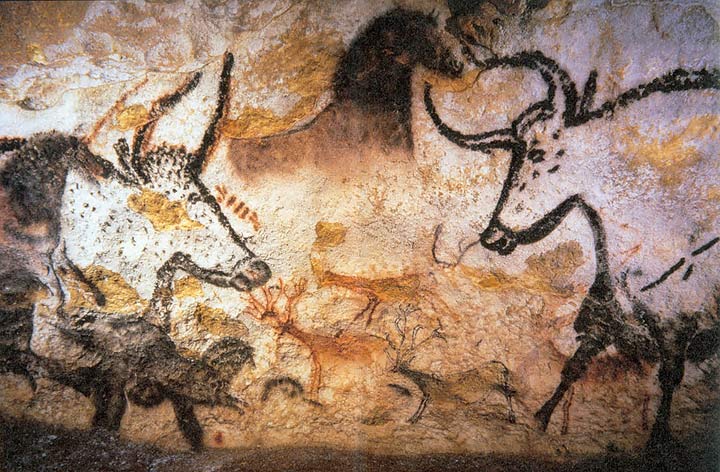
After 30,000 BC, human creativity appears to have developed even further. People began painting animals, human figures, and hunting scenes on cave walls and ceilings. Many of these paintings are located in difficult and elevated areas, suggesting that prehistoric artists built scaffolding to reach them. They used brushes made from animal hair and lit the caves with lamps fueled by animal fat.
 Scientists are still uncertain about the exact purpose of these paintings. Some believe they were connected to hunting rituals and magical practices intended to ensure success in the hunt. Others think they were used to teach younger members of the group or were linked to religious ceremonies and shamanistic traditions. Most likely, prehistoric art served many purposes at once: expression, memory, ritual, and communication.
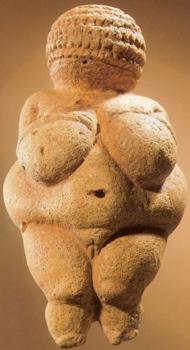
One of the most famous works of prehistoric art is the “Venus of Willendorf,” discovered in Austria and dating to around 30,000 BC. This small limestone figurine, only 11 centimeters tall, depicts a female body with exaggerated fertility features and was probably connected to beliefs about motherhood, fertility, and life.
Between 20,000 and 10,000 BC, some of the most impressive cave paintings in human history were created. Hundreds of decorated caves have been discovered across a vast region stretching from Portugal to Russia. Among the most famous are the caves of Lascaux in southwestern France, where magnificent paintings of bison, horses, and deer still survive today.
 Back to the Story of Humankind