Over time, cannibalism in some societies also acquired a ritual character. Certain tribes believed that by drinking the blood or eating the flesh of a brave warrior they could absorb his strength or spirit. In other cases, even deceased relatives were regarded as part of the continuing cycle of life and the community, since people believed that the dead continued to “live” through those who consumed them.
The harsh conditions of nomadic life sometimes led to cruel practices of survival. In some tribes, when migrations were constant and food extremely scarce, not all newborns survived, especially during periods of famine or exhaustion. People of those eras viewed life and death very differently from the way they are understood today, often through religious or cyclical beliefs about existence.
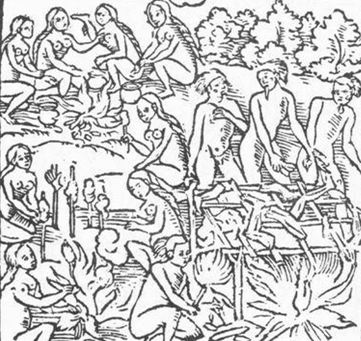
In some societies, even forms of “food storage” through war captives developed. Prisoners were kept alive and later killed during times of hunger, ceremonies, or feasts. Ancient travelers and historians describe tribes that kept captives or traded human body parts as commodities. In certain isolated regions, such practices survived until relatively recent centuries.
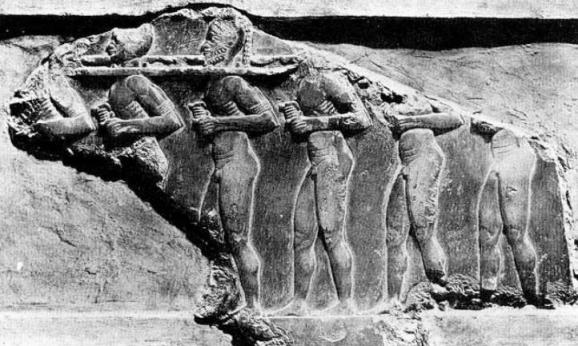
The great transformation came after the Agricultural Revolution. With the development of agriculture and the rise of the first organized societies, war captives became more valuable as laborers than as food. Victorious groups began using the defeated to cultivate the land, construct public works, and later perform all kinds of heavy labor. Thus, slavery gradually emerged.
The lives of slaves were often extremely harsh. Nevertheless, the transition from killing captives to using them as a labor force significantly changed the structure of human societies. Human history advanced not only through discovery and creation, but also through violent and dark transformations within human nature itself. Back to the Story of Humankind