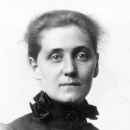
Biography
Jane Addams (1860–1935) was an American social reformer, settlement pioneer, feminist, author, and peace activist who became one of the most influential figures in the development of social work in the United States. Born on September 6, 1860, in Cedarville, Illinois, she graduated from Rockford Female Seminary in 1881 and later traveled in Europe, where a visit to Toynbee Hall in London helped inspire her vision for a similar institution in Chicago.
In 1889, Addams and Ellen Gates Starr founded Hull House on Chicago's Near West Side. The settlement became a major center of social reform, providing education, childcare, cultural activities, employment assistance, and other services to working-class and immigrant communities. Addams also campaigned for labor protections, public health, juvenile justice, women's rights, and improved living conditions.
Addams became increasingly active in the international peace movement. During the First World War she opposed American entry into the conflict and took a leading role in the women's peace movement. In 1915 she helped establish the Women's International League for Peace and Freedom and later served as its president. In recognition of her lifelong work for peace and social reform, she was awarded the Nobel Peace Prize in 1931, becoming the first American woman to receive the prize.
A prolific writer, Addams published works including Democracy and Social Ethics (1902), Newer Ideals of Peace (1907), Twenty Years at Hull-House (1910), and Peace and Bread in Time of War (1922). Her writings connected democracy, ethics, social justice, feminism, and peace, making her an important public intellectual as well as a social reformer.
Jane Addams died in Chicago on May 21, 1935. Her legacy continues through Hull House, social work, peace activism, and the broader struggle for a more just and democratic society.