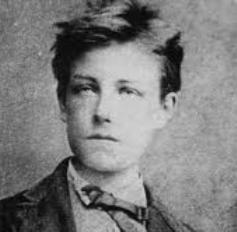
Biography
Guillaume Apollinaire was one of the most influential French poets, critics, and novelists of the early twentieth century. He was born on August 26, 1880, in Rome, as the illegitimate son of a Polish aristocrat known for her adventurous lifestyle and passion for gambling. During his childhood, the family lived in Nice, Cannes, and other towns along the French Riviera. Apollinaire attended several schools before completing his education. He worked briefly as a bank clerk and later as a private tutor in Germany.
In 1903, he settled in Paris, determined to establish himself as a writer. There he founded a literary magazine, began publishing poetry, and contributed reviews and essays to newspapers and journals. His intelligence, charisma, and wide-ranging knowledge quickly made him a prominent figure in the artistic circles of Montmartre. A passionate advocate of modern art, he championed the work of many then-unknown artists and defended the emerging movements of Cubism and the avant-garde, often provoking the ridicule of more conservative critics.
Apollinaire published his first collection of short stories in 1910. His poetry collections, issued in 1909, 1911, and especially in 1913 with Alcools, firmly established his reputation as one of the leading poets of his generation. He also wrote the erotic novel The Eleven Thousand Rods, which was banned for many years and circulated clandestinely until it was legally published decades later.
In September 1911, Apollinaire and his friend Pablo Picasso were wrongly suspected of involvement in the theft of the Mona Lisa. He was imprisoned for five days before being released without charge.
When World War I began in 1914, Apollinaire volunteered for military service. In 1916, he suffered a severe head wound from shrapnel and returned to Paris to recover. Friends noticed a profound change in him: he appeared with his head bandaged, dressed in military uniform, proudly wearing the medal he had received for his bravery, and speaking with intense patriotic fervor. During this period, he also wrote a play encouraging the French people to have more children in order to strengthen the nation after the devastating losses of the war.
On November 9, 1918, just two days before the Armistice that ended World War I, Guillaume Apollinaire died in Paris during the Spanish influenza pandemic. He was only 38 years old, yet his innovative poetry, literary criticism, and artistic vision left a lasting mark on modern literature and helped shape the course of twentieth-century poetry.