Biography
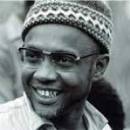
Amilcar Cabral (Portuguese: Amílcar Lopes Cabral, (1924 - 1973) was an African writer, poet and revolutionary, leader of the independence movement in Guinea-Bissau and Cape Verde.He was born on September 12, 1924, in Bafata, then Portuguese-occupied Guinea. His parents were from Cape Verde. Amilcar studied agronomy in Lisbon while from his student years he was organized in movements for the independence of African countries
He returned to Africa in the 1950s and starred in the struggle for independence in various African countries. He played a key role in founding the African Party for the Independence of Guinea and Cape Verde (Partido Africano da Independência da Guiné e Cabo Verde, PAIGC). He also worked for the establishment of a liberation party in Angola in collaboration with Agostinios Neto.
Since 1962, Cabral has led the PAIGC guerrilla movement against the Portuguese government, with the goal of gaining independence for both Portuguese Guinea and Cape Verde. Cabral demonstrated genius strategy and method, setting up training camps in Ghana where he trained lieutenants and taught them also how they would mobilize Guinea tribal leaders to support PAIGC. Realizing that he had to meet the needs of his army, he taught the soldiers, using his capacity as an agronomist, cultivation methods in order to increase production. When they were not fighting, PAIGC soldiers plowed the fields and passed on their knowledge to the local population. Cabral and his associates also set up a system of trade and exchange with which they sold basic goods in the countryside at prices lower than those of the stores controlled by the Portuguese. The War of Independence under Capral became one of the most successful wars in modern African history. As the movement occupied Portuguese territory, Cabral became the leader of a large part of the country and in 1972 he began promoting the establishment of a National Assembly, but his plans were thwarted as people paid by the Portuguese managed to assassinate him on May 20, 1973. in Conakry, Guinea. However, the country gained its independence, with his twin brother, Louis Cabral, later becoming President of Guinea-Bissau.
Cabral also wrote poetry, with his works becoming known after his death.