Biography
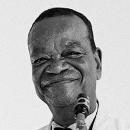
Alfredo da Rocha Viana (Jr.), known as Pixinguinha (April 23, 1897 - February 7, 1973) was a Brazilian composer, orchestrator, flutist and saxophonist, a composers of folk music, with a special offer in choro music.
Pixinguinha was born on April 23, 1897 in Rio de Janeiro, his father was a flutist; Pixinguinha learned to play the flute at home, composed his first piece at the age of fourteen and made his first recording at sixteen. In 1912 he began playing in a cabaret, then became the flutist of the Cine Rio Branco permanent cinema orchestra (the silent cinema of the time was often accompanied by live music). In 1914 he participated in the Kasanga band and after five years he created the pioneering band Os Oito Batutas (The Eight Amazing Players). Their performances at the Cine Palais turned out to be more popular than the films.
In 1921 they made their first European tour and played for six months at the Sehrazad cabaret. Their tour was a great success, Pixinguinha returned from Paris with wide musical horizons, began to use elements of jazz and ragtime in his band's repertoire. In the late 1920s, RCA Victor hired him to conduct the company's Brazilian Orchestra (Orquestra Victor Brasileira), from that time Pixinguinha perfected his synthetic skills.
By mixing the music of older 19th century choro composers with contemporary jazz harmonies, Afro-Brazilian rhythms and special orchestrations, he introduced the choro to a new audience and made it popular as a distinct Brazilian musical genre. While older choro compositions were intended for the piano, Pixinguinha's works took advantage of the large bands with which he collaborated, and included distinctive melodic lines. He composed dozens of pieces of choro, including some of the best known of the genre ("Carinhoso", "Glória", "Lamento", "Um a Zero").
He died in 1973 at the Nossa Senhora da Paz church in Ipanema while attending a baptism. His birthday, April 23, is now considered the national day of Choro in Brazil.