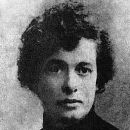
Biography
Adela Zamudio (1854–1928) was a pioneering Bolivian poet, educator, and women's rights advocate whose poetry, essays, and educational work challenged social injustice, promoted equal opportunities for women, and helped lay the foundations of the feminist movement in Bolivia. She was born on October 11, 1854, in Cochabamba, Bolivia, as Paz Juana Plácida Adela Rafaela Zamudio Rivero, into an upper-class family that provided her with an education at a time when educational opportunities for women were limited. She later worked as a teacher and eventually became a high school principal.
From a young age, Zamudio wrote poetry and later published articles addressing social issues, particularly the rights of women and children, in a society where both women and Indigenous people were largely excluded from public life. One of her most famous poems, *Nacer Hombre* (*Born a Man*), criticized the restrictions imposed on women regardless of their intelligence or abilities. Through her writings, she advocated democratic reforms, women's rights, expanded educational opportunities for girls, and the legalization of civil marriage and divorce.
She often wrote under the pseudonym **Soledad** ("Loneliness"), reflecting the isolation she felt while confronting the prejudices of her time. In 1903, she came into conflict with the Church after publishing her poem *Quo Vadis?*, which criticized corruption and intolerance among members of the clergy. Her views provoked strong reactions, and she was accused of atheism and anarchism after removing religious instruction from her school's curriculum. Despite fierce opposition, she inspired many women from Bolivia's educated classes to organize and challenge patriarchal traditions.
Her ideas gradually gained influence throughout Bolivian society. In 1919, the Intellectual and Artistic Circle for Women was founded and began publishing the country's first feminist magazine. During the following years, reforms inspired by the movement she helped shape improved women's lives, including greater access to higher education and improved labor rights. Zamudio also founded the first public school for girls in Cochabamba, as well as an academy of drawing and painting for young women.
Adela Zamudio died in 1928, but her legacy as a writer, educator, and advocate for equality continues to inspire generations of Bolivians.